The Scallion Bun: A Taiwanese Classic Finds New Life
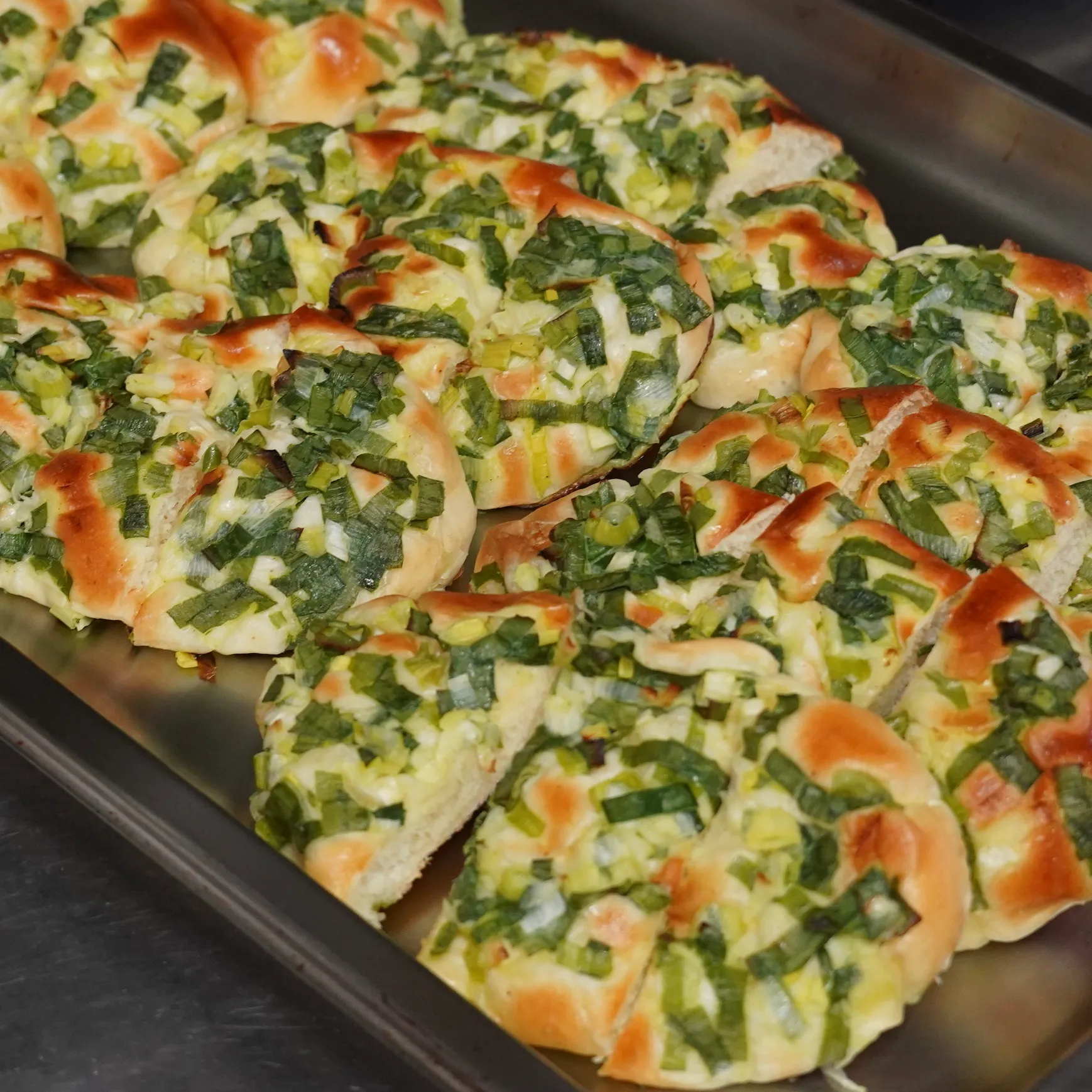
Fresh out of the oven, scallion bread has a slightly charred, savory aroma at the base, with the sweetness and pungency of the scallions wafting through the heat. The first bite offers the softness of the bread, followed by the crisp sweetness of the scallions, and finally, a lingering, savory finish from the oil. For many Taiwanese, this is one of the most nostalgic flavors from after-school snacks or afternoon tea.
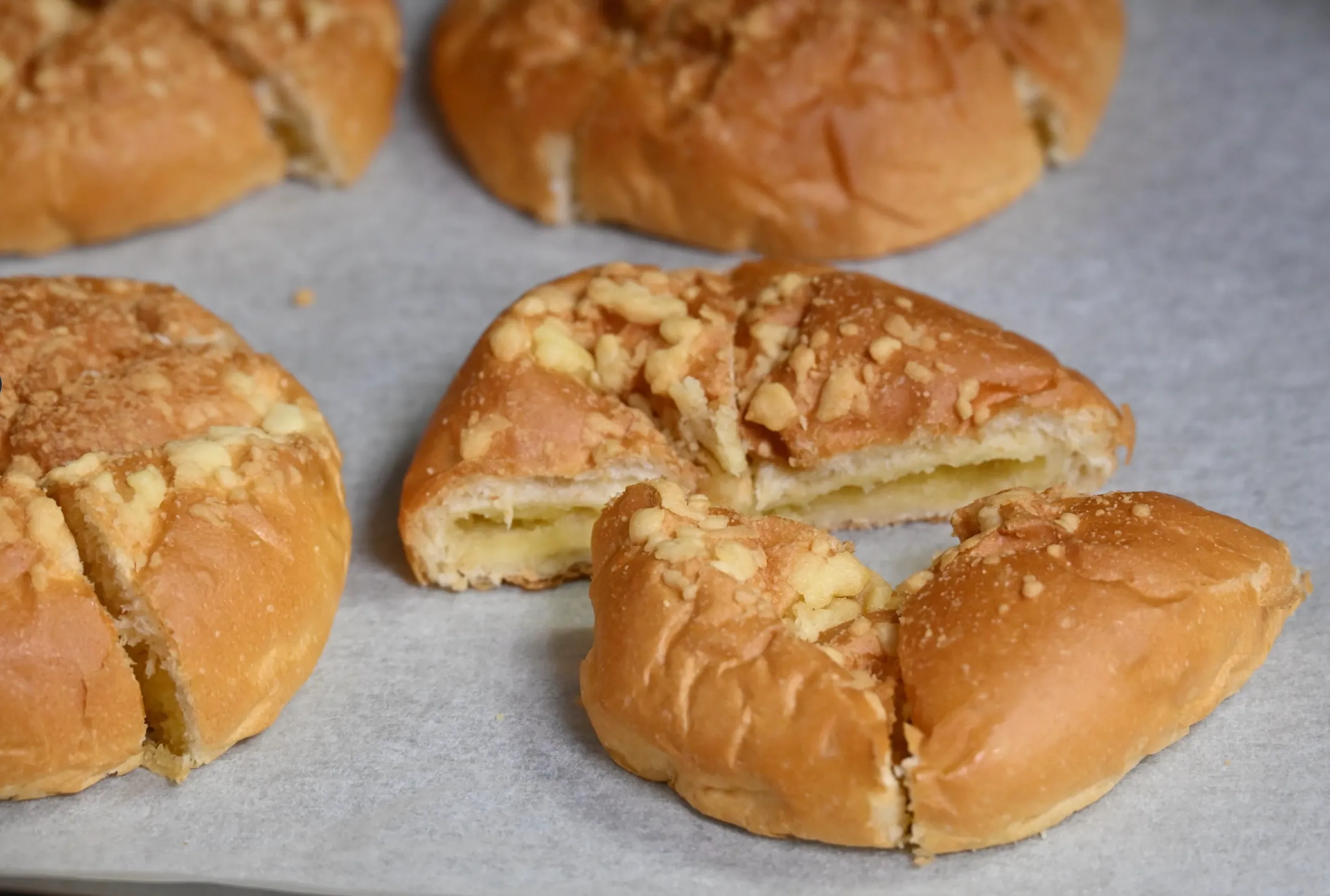
Scallion bread is a savory pastry made from a fermented dough base, topped with scallions and baked. It is characterized by a surface covered in green and white scallions, a base that is charred from the oil during baking, and a three-ball shape, each scored in the center to hold the topping. While Japan has a tradition of savory breads, the "scallion" combination is not a pre-existing Japanese category; it is a creation developed in Taiwan after adopting Western-style baking, by incorporating local ingredients.
The selection and preparation of scallions represent the greatest potential for development.
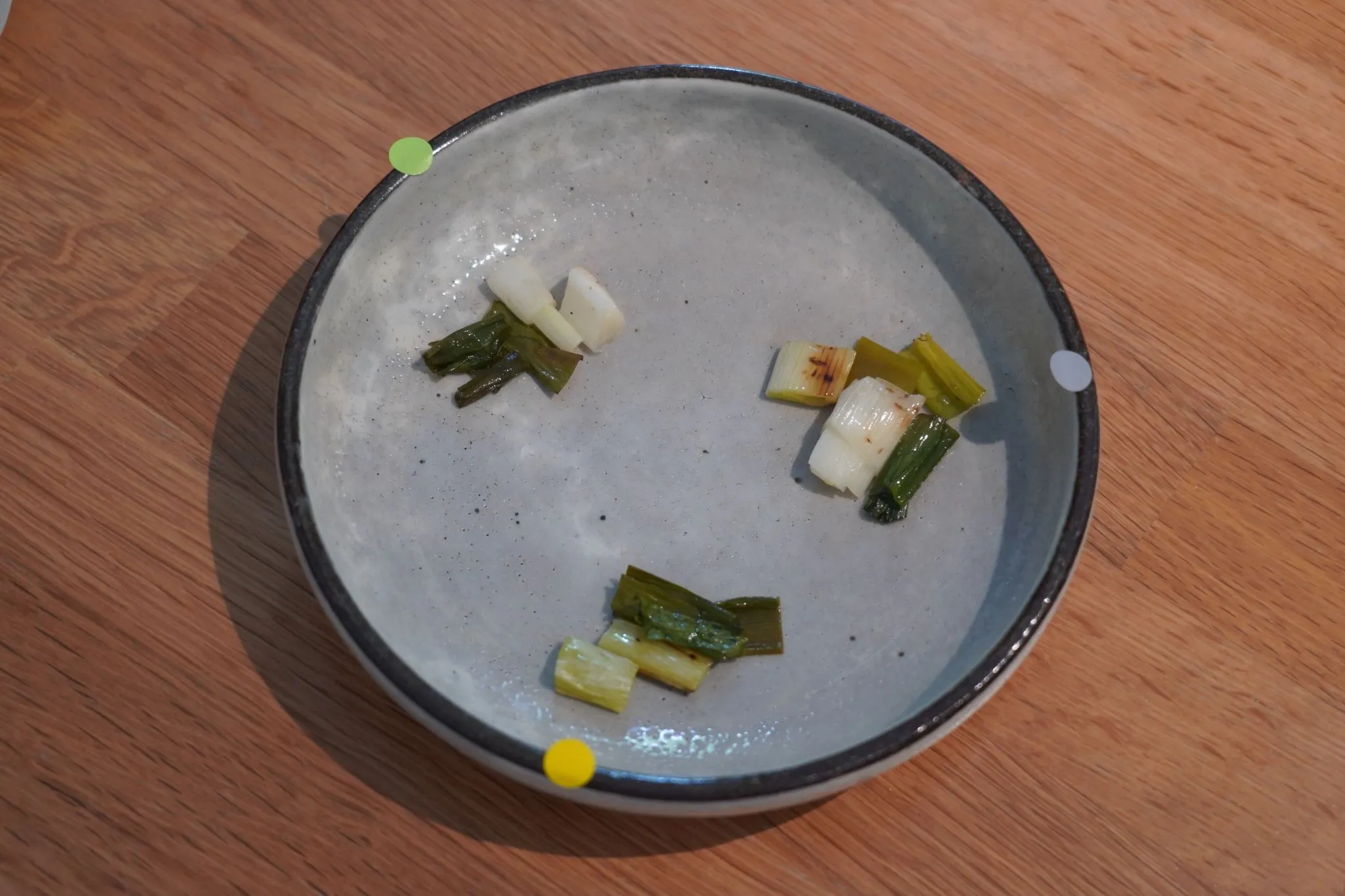
The production logic of scallion bread can be broken down into three key areas: "pre-processing of scallions," "the role of oil and egg wash," and "the evolution of dough fermentation systems." Among these, the "pre-processing of scallions" determines whether the flavor can be fully expressed. Artisans typically prepare a five-day supply; scallions are shipped directly from the farm to the shop and kept refrigerated, but they are never washed or chopped a day in advance to prevent the loss of sweetness and moisture. Cutting is done just before baking, and the pieces are kept from being too thick to avoid a mushy texture during the baking process. The chopped scallions are immediately mixed with salt, oil, egg wash, and pepper, spread onto the dough, and sent straight into the oven.
It is worth noting that the differences in scallion varieties and their flavor profiles are the most overlooked yet most promising aspect of this category. Even when baked, different varieties exhibit distinct personalities. Varieties with fine fibers have the most tender texture, but their aroma fades rapidly after baking (dropping off at a 45-degree angle); varieties with coarser, chewier fibers have a less intense initial aroma but maintain it longer after baking; and versions that blend multiple varieties produce a punchy, intense scallion flavor that hits you right away.
Reflecting the transformation of Taiwanese society through the choice of oil.
The "role of oil and egg wash" serves the dual functions of "adhesion" and "aroma." The egg wash is the key to ensuring the scallions stick to the surface of the bread without falling off after baking. The choice of oil directly influences the overall flavor profile: lard provides a heavy, savory richness and a charred aroma; olive oil has a strong flavor that can mask the natural scent of the scallions; while canola oil is neutral and is considered better at highlighting the delicate fragrance of the scallions without interference.
It is worth mentioning that early in Taiwan, homemade lard was the standard, with both the base of the bread and the scallion topping mixed with lard, making the baking process closer to "pan-frying." Later, due to the impact of foot-and-mouth disease, bakers gradually switched to other animal fats or emphasized larger amounts of scallions, with most artisan bakeries eventually shifting to neutral-scented canola oil.
It is not just baking, but "pan-frying" for that essential charred aroma.
The "evolution of dough fermentation systems" is the core axis along which scallion bread has moved from "home-style" to contemporary artisan refinement. In the past, fermentation control was not emphasized, and quality varied based on the baker's performance that day. Today, the introduction of "pre-ferments" cultivated through temperature and time-controlled equipment makes the dough softer and allows the sweetness of the scallions to be more fully released during chewing. The internal texture of the bread varies from moist and fluffy to soft and chewy depending on the fermentation method; however, if the chewiness is accompanied by a sticky sensation, it may be due to underbaking rather than a deliberate craft feature.
Finally, artisans use a large amount of oil at the base for high-temperature, short-duration baking. Traditional methods reach 200–220°C for about 8–10 minutes, moving beyond the scope of simple "baking" and closer to the concept of "pan-frying" to create that charred aroma.
Rethinking positioning in the context of contemporary dietary trends.
In the context of daily life in Taiwan, scallion bread plays the role of a "snack" rather than a main meal, used to fill the stomach after school or enjoyed with a bubble tea during afternoon tea. Unlike the baguette in the West, which is part of a meal, it exists somewhere between a meal and a snack. This "supporting role" is precisely why it must rethink its positioning in the face of contemporary "low-carb" dietary trends.
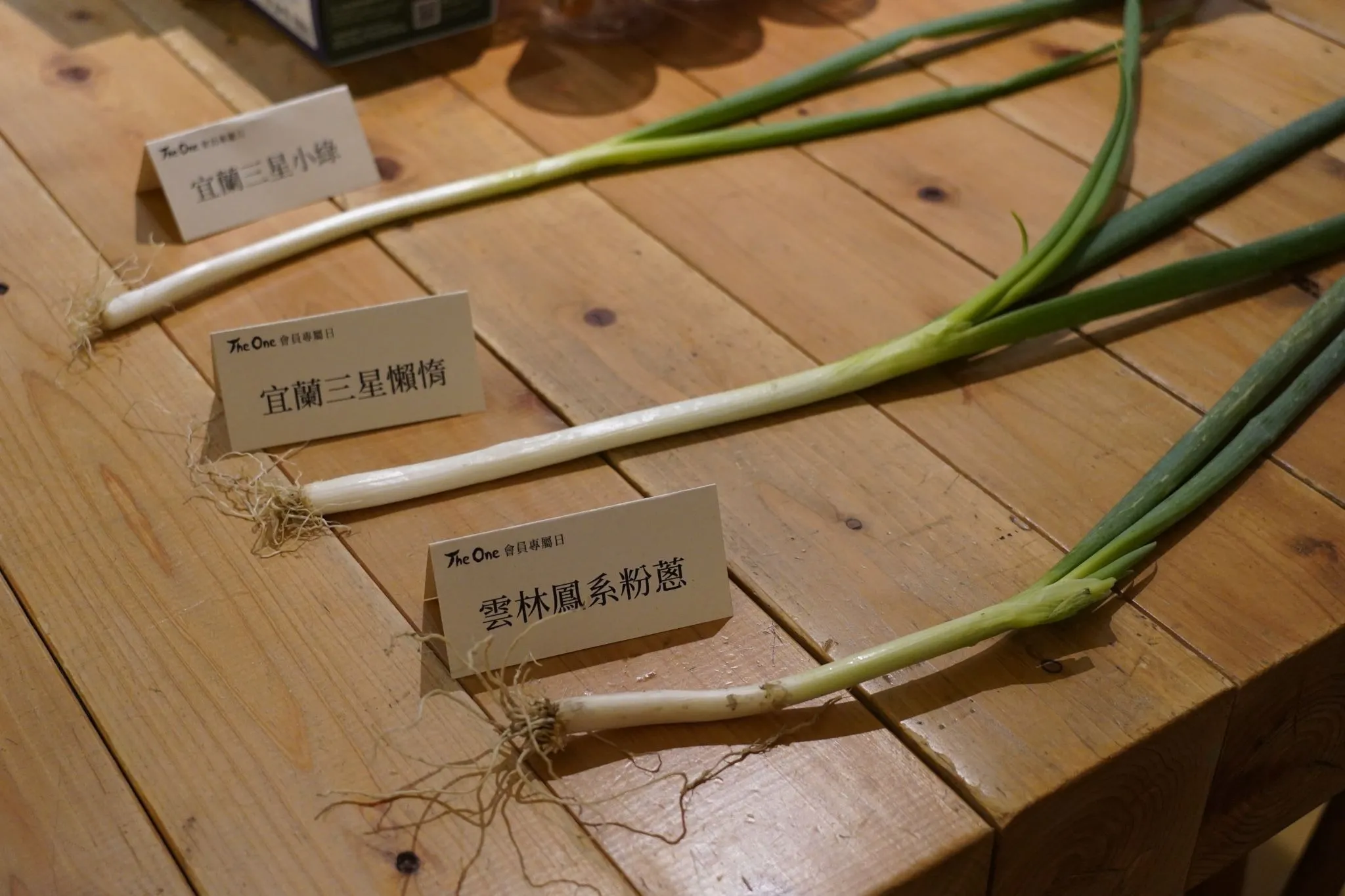
In April 2026, T/ABLE Taiwan Flavor Studies hosted a "Taiwanese Scallion Bread" course, inviting artisan baker Wu Pao-chun as the instructor. Scallion breads were prepared for evaluation using the "Lazy" and "Little Green" varieties from the Sanxing region, as well as a blend of "Big Phoenix" and "Medium Phoenix" from Yunlin. The results showed that the Yunlin blend received the most support, though some participants noted the scallion flavor was too intense and hit them right in the head; others mentioned that while they liked "Little Green" best when eaten raw, its performance in bread was completely different from expectations. The course also featured an evaluation of four commercially available scallion breads, with participants showing varied preferences:
- Contemporary Artisan Brand: The dough is bouncy and soft, the scallion aroma is elegant and mild without being spicy, and it has a hint of sweetness and crispness; the process uses pre-fermented dough, with scallions chopped fresh before baking, combined with whole eggs and canola oil.
- Traditional Old Shop: Retains the traditional method of pan-frying the base in oil; it was considered the "most memorable" one during the on-site evaluation.
- Contemporary Interpretation Version: Known for its generous topping of scallions, this version was described by participants as a "modern take" on the classic scallion bun and was considered the most accessible and crowd-pleasing option in the tasting.
- Variations: The scallion and pork floss bun, described as the "have it all, no compromises" hybrid.
Thinking about the future of the scallion bun through five evolutionary paths
As for the contemporary evolution of the scallion bun, it can be broadly explored through five dimensions: "adjusting size and ratios," "specialized processing of scallion varieties," "freezing and reheating technology," "brand collaborations and shared production facilities," and "establishing a ritual for Taiwanese-style bread." However, most of these remain in the discussion and conceptual stage. First, regarding "adjusting size and ratios," some participants suggested shrinking the bun to half or a third of its current size while significantly increasing the amount of scallions. This would allow consumers to strike a balance between "not wanting too many carbs" and "craving a rich flavor," while justifying a higher price point. Technically, this is feasible; the key lies in market acceptance and pricing strategy.
"Specialized processing of scallion varieties" advocates for separating the white and green parts of the scallion, selecting varieties with higher sweetness for the whites and those with more pungency for the greens, then preparing them separately—perhaps by steaming or pan-frying—before combining them. Alternatively, improving "freezing and reheating technology" could allow for frozen storage that maintains flavor after microwave reheating, enhancing everyday convenience. Another possibility is for different bakeries to integrate production capacity through a "shared factory" model, using "brand collaborations and shared facilities" to address the challenge of rising labor costs.
Finally, we might consider "establishing a ritual for Taiwanese-style bread." After all, European bread is a staple of main meals, and Taiwanese sweet bread needs to establish its own "dining ritual" to find its proper place in an international context.
Looking ahead, where is the scallion bun headed? Should it shrink in size and increase the ratio of scallions, or stay exactly as it is? Perhaps the answer isn't in the recipe, but in whether that aroma of savory oil and sweet scallions, wafting from the oven, can still make people reach for one without a second thought.
This article was compiled and edited based on transcripts and summaries from the T/ABLE food culture lecture series, as well as the researcher's field notes. All brand information is accurate as of the original source material.
Content Editor: Guo Hui
Reviewed by Xu Zhong, Yang Zhiwei
Photography: The One