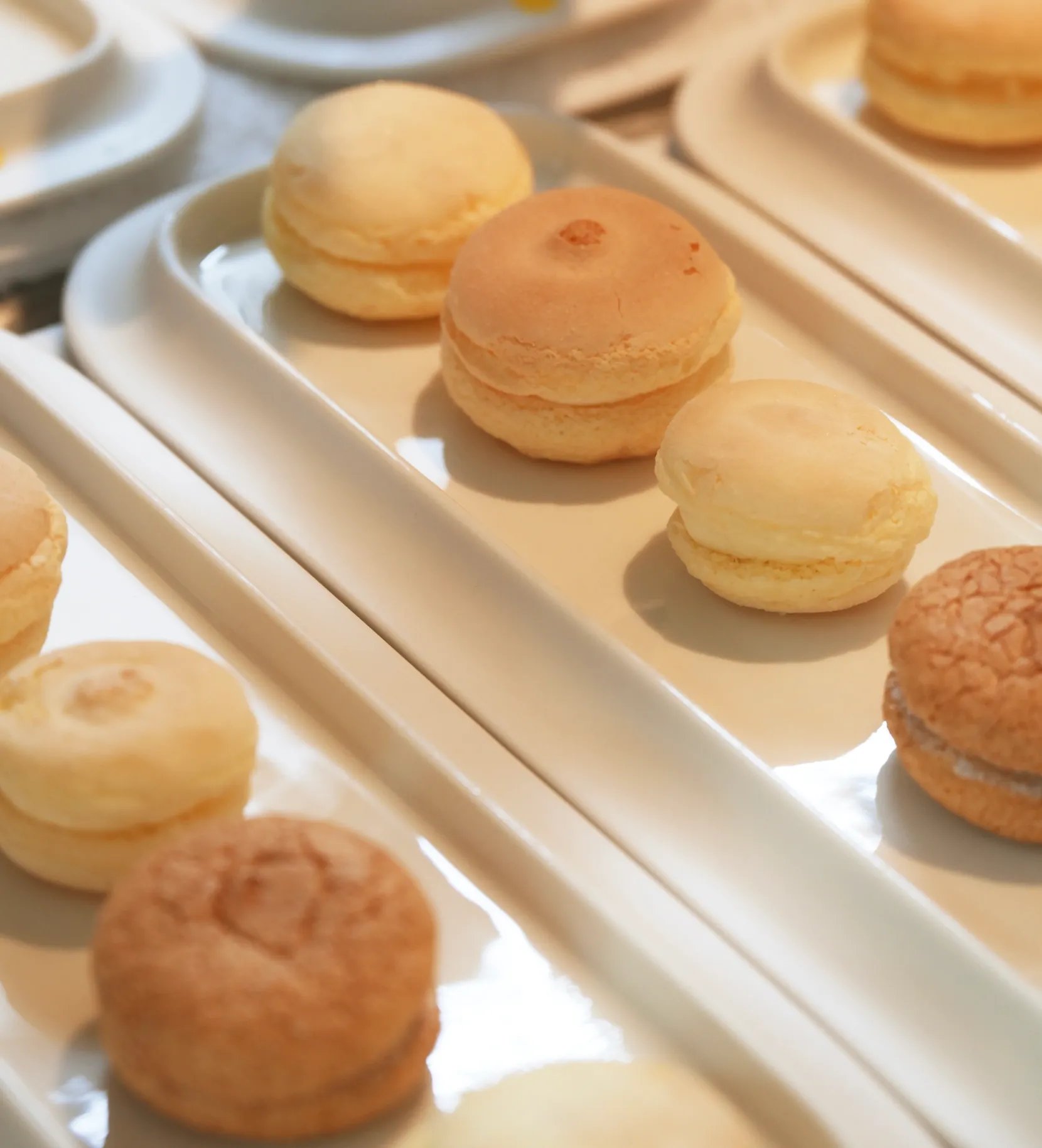
Take a Niu Li out of a transparent bakery bag, and it feels lighter than expected. Two pale yellow, circular cake discs are symmetrically sandwiched around a layer of white filling. The appearance isn't particularly refined; sometimes the edges are uneven, and sometimes the tops are slightly peaked into a cone shape. The crisp yet soft texture upon biting into it is a classic flavor etched in the memories of many Taiwanese.
In fact, "Niu Li" is a small sandwich pastry made from a batter of whole or separated eggs, piped into circles, baked, and filled with buttercream. Beyond "Niu Li," it is also called "Niu Li" (with a different character) or "Liu Li" in many regions. In Tainan, it is known in Taiwanese as "Ku-lin-ga," while in the north, it is commonly referred to as "small Western-style cakes." According to writer Wagashi, the name "Niu Li" is said to derive from the French word "cuillère" (spoon), as it was traditionally shaped using a spoon. In an 1881 menu from a banquet hosted by Li Hongzhang in Tianjin for the seventh King of Hawaii, "Lady Finger" was already annotated with "Niu Li Bing."
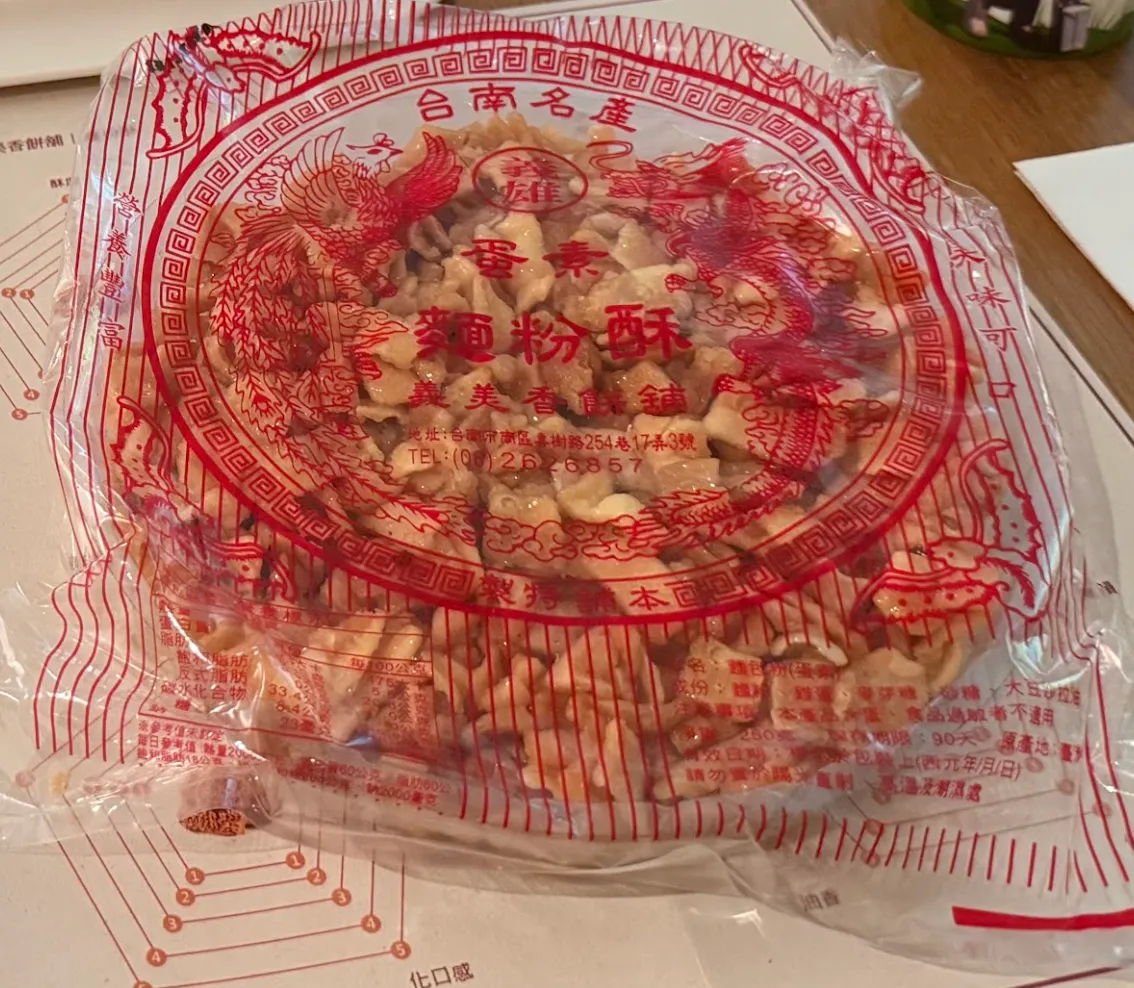
Writer Wagashi’s research reveals that during the Japanese colonial period, this pastry was sold in bakeries under the Japanese katakana name "gyuri," a product available at the founding of Dadaocheng’s Shih-Hsuan Bakery. At that time, the items were labeled in Japanese, handmade, and relatively expensive. After 1946, Taiwan stopped using Japanese, and bakers changed the katakana "gyuri" on their menus to the Chinese characters "Niu Li." This coincided with an influx of Cantonese-speaking bakers who brought Western pastry techniques to Taiwan. Consequently, long-standing shops in the Dadaocheng area, including Shih-Hsuan Bakery, Li Ting Xiang, Long Yue Tang, and I-Mei, all began selling them, establishing the pastry as a vital part of urban daily life.
Is it a Niu Li, or a Taiwanese macaron?
Following this, with the widespread adoption of equipment like electric mixers, the production efficiency of Niu Li increased and costs decreased. It transitioned from a delicate bakery treat to a packaged, affordable snack, circulating widely through breakfast shops and bakeries. At this stage, Niu Li typically came in strawberry, chocolate, and original flavors—a snack grabbed on the way home from school or a treat bought by a grandmother in Dadaocheng for her grandchildren.
After the 2010s, writer Wagashi observed that as French macarons became popular in Taiwan, some consumers began calling Niu Li "Taiwanese macarons." Although macarons contain almond flour and Niu Li does not—making their ingredients entirely different—this trend boosted the visibility of the item. In recent years, contemporary bakeries like "Bear Bakery" in Changhua have pioneered new styles of Niu Li, pushing the pastry into the gift market.
The evolution of Niu Li: From shell to filling
In terms of form, while Niu Li shares some flavor similarities with Italian ladyfingers and French bouchées, it is not exactly the same. The former originated from the Savoy noble family and is typically unfilled, with an egg content of over 26% of its total weight. "Bouchée" means "mouthful," referring to various bite-sized party snacks with a nitrogen content indicator of over 20%. Taiwan’s Niu Li, however, has developed its own local texture and standards, generally categorized into three types: "traditional circular sandwich," "elongated sandwich," and "contemporary new-style."
The most mainstream "traditional circular sandwich" consists of two circular whipped cake discs. Before baking, powdered sugar is sprinkled on top to absorb surface moisture, creating a cracked texture during the baking process. The texture of the shell varies depending on whether the "whole egg method" or "separated egg method" is used. The former offers a rich egg flavor but often results in asymmetry, flattened tops, or crooked edges. The "separated egg method," which uses more egg whites than yolks, provides better structural support and texture with more aesthetic cracks, though some bakers argue it diminishes the aroma.
It is worth noting that because vanilla was extremely expensive in the 13th century, citrus flavorings were easier to obtain and more stable. Early recipes often suggested adding orange water, orange blossom water, or rose water to ladyfinger batter. To this day, some bakers still mix canned fruit juice into the batter to give the finished product a subtle orange undertone, or add vanilla extract to provide a consistent, nostalgic sweetness. Traditional fillings often use a classic buttercream known as "paper filling," which is quite sweet and serves as a sensory memory for older generations.
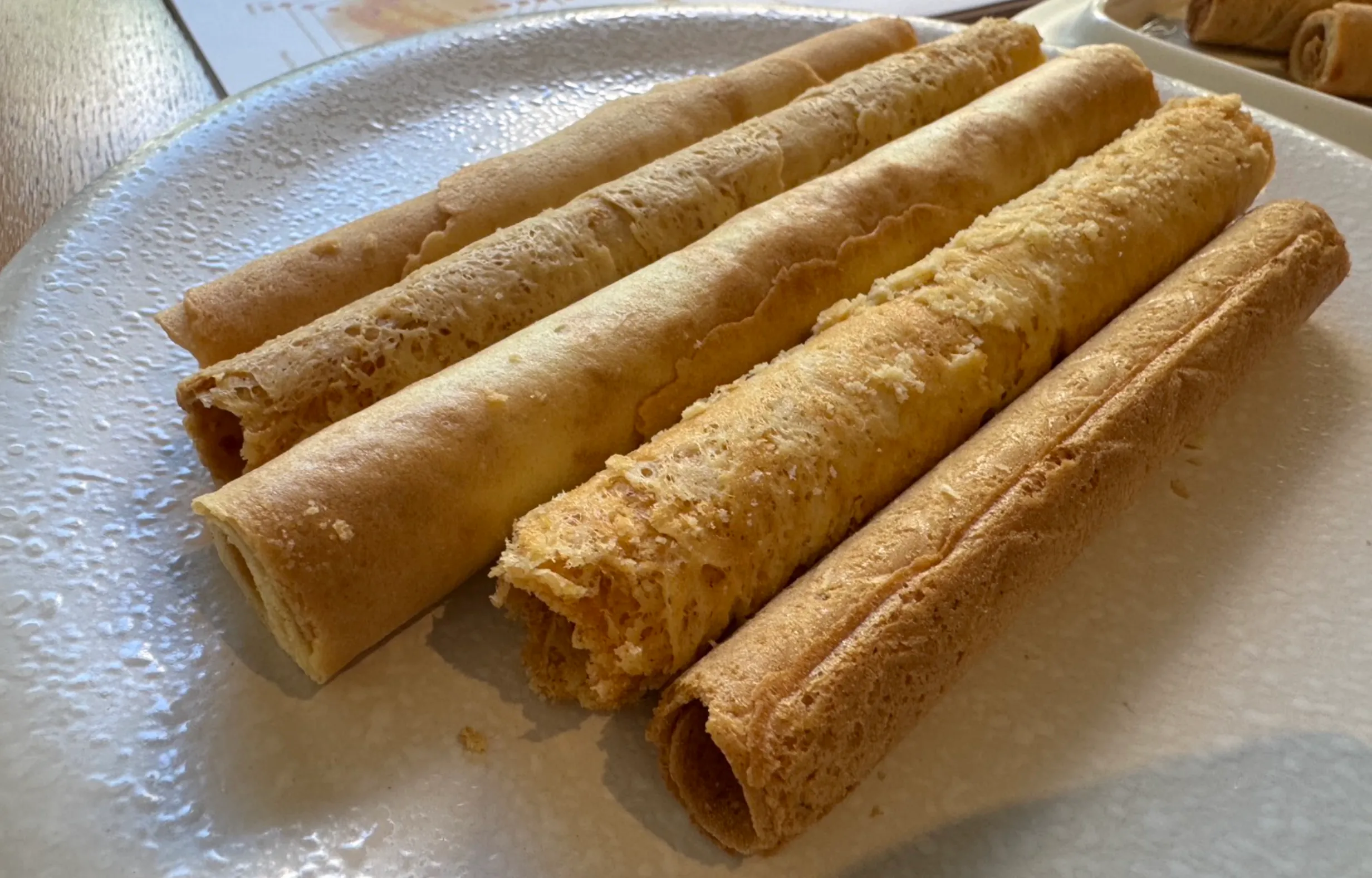
As for the less common "elongated sandwich" type, writer Wagashi notes that it is often piped using a pastry bag to mimic the long shape of ladyfingers. The "contemporary new-style" shells are mostly made using the separated egg method and are sprinkled with granulated sugar rather than powdered sugar, creating a more pronounced sugary crust. The fillings use frozen cream or whipped butter, resulting in lower sweetness and a fresher flavor that aligns with the preferences of younger consumers. Some bakers also use fermented butter to add more complex creamy layers, which is one of the main directions for contemporary recipe upgrades.
How many names does Niu Li have when it goes global?
In March 2026, T/ABLE Taiwan Flavor Studies hosted a lecture titled "Unraveling the Origins of the Taiwanese Macaron: A Historical Trace and Flavor Comparison from Niu Li to Small Western-style Cakes." The event not only clarified the etymology of the name but also shared field research findings from interviews with various shops, as well as demonstrations of Niu Li baking techniques and live tastings:
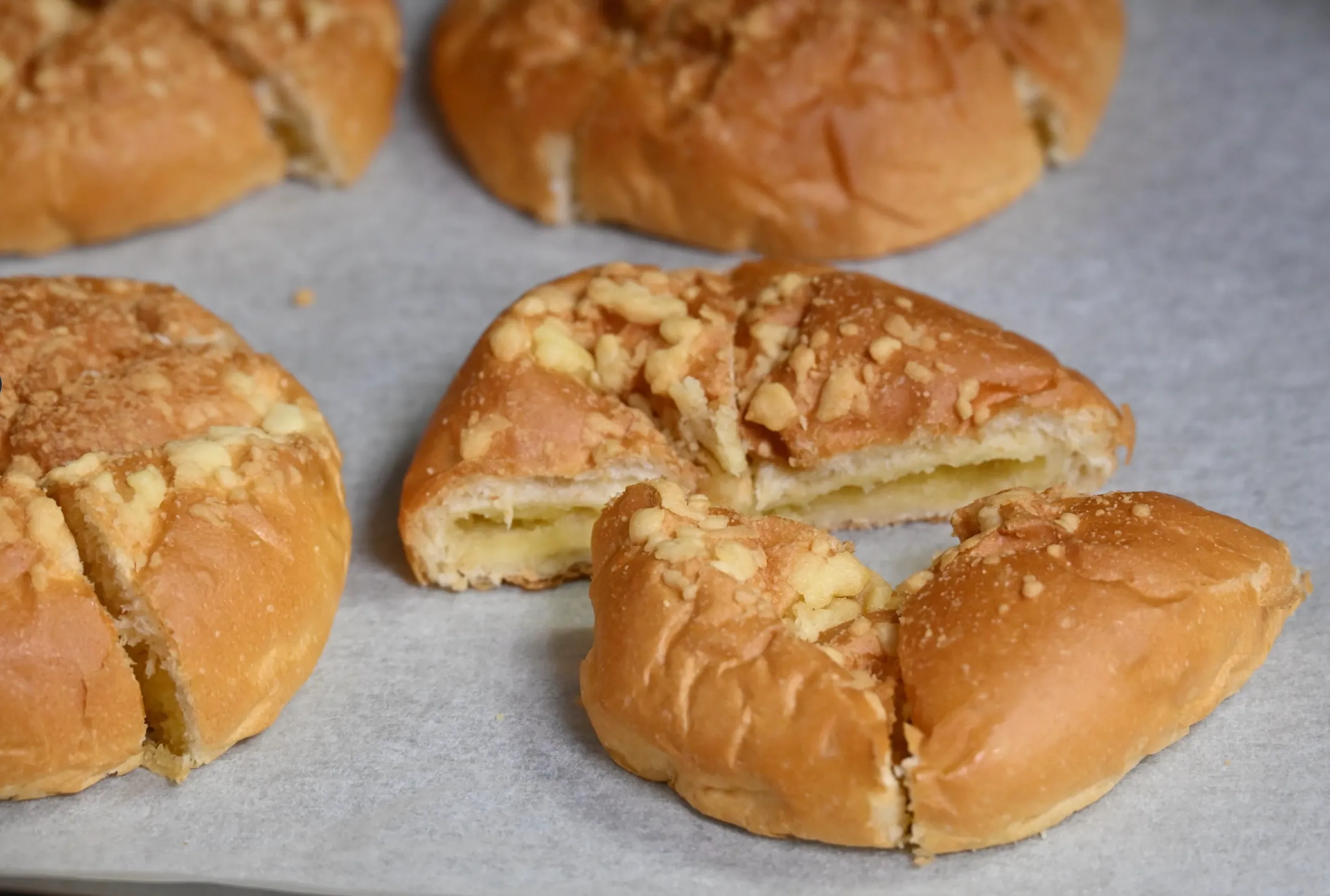
- Long Yue Tang Bakery: The cake discs are relatively flat and asymmetrical in size, a hallmark of the early whole-egg method's lack of structural support, with a flavor that closely resembles the childhood memories of many Taiwanese.
- Ziyang Xuan: The Niu Li has a conical top, resembling a meringue, making it the most visually distinct version among those found across Taiwan. The owner once experimented with the separated egg method, finding the texture better but the aroma weaker, ultimately sticking to the whole-egg method to preserve its unique fragrance and shape.
- Chiayi New Taiwan Bakery: The product, "Fu Xue Bing" (Floating Snow Cake), has a French-style appearance. Writer Wagashi considers it part of the "bouchée" lineage, but the use of Taiwanese peanuts in the filling is a localized, contemporary interpretation, positioning it more as a gift box item.
- 福利麵包: The shop refers to this treat as "Savoiardi" (the Italian term for ladyfingers). It is one of the few brands to use an Italian transliteration, demonstrating an intellectual connection to its European origins.
- Amo: The recipe uses only egg whites, making it closer to a "dacquoise" style, which differs significantly in form from traditional Taiwanese butter cookies.
- Yunlin Chian-Chiao-Gu Cow Paradise Ranch: Their "Fresh Milk Rice Balls" are marketed as "Fresh Milk Macarons," highlighting the use of Yunlin milk and rice from the Zhuoshui River.
- GOOD good: Emphasizing the use of cultured butter, this brand is one of the few modern pastry makers that places a strong focus on the selection of fats.
- Bear Bakery: They became a sensation with their "Fuffy Cookies," representing the most iconic case of branding this traditional treat in recent years. Author Wagashi considers them closer to the "bouchée" style and a pioneer in modern pastry craftsmanship.
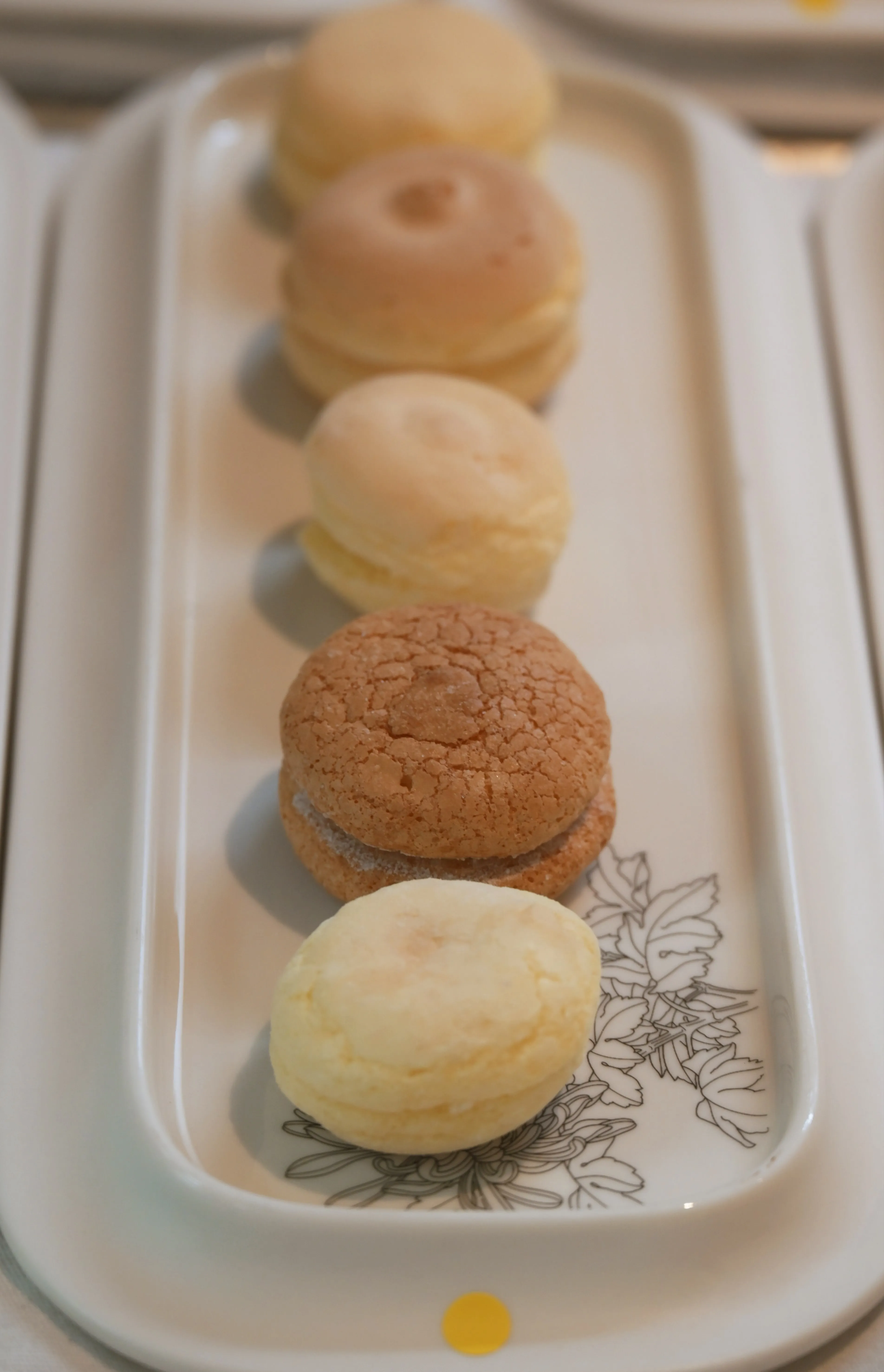
Evaluation Criteria
- Appearance/ Observe for cracks, which are a hallmark of traditional small pastries.
- Color/ The depth of the egg-yellow hue reflects differences in the feed and breed of the hens.
- Aroma/ Smell the finished product for notes of egg and butter, as well as the subtle citrus undertones found in some traditional shops that mix canned fruit syrup into the batter.
- Texture/ Bite in to assess the crispness and the level of richness in the filling.
From these brands, it is easy to see that the contemporary Taiwanese butter cookie is gradually splitting into "two worlds." Some are the staples of old-school bakeries—sold in plastic bags at affordable prices, with imperfect appearances, yet carrying decades of memories. Others are modern gift-boxed products that require pre-ordering, featuring refined aesthetics and embodying the aspiration for a "better" version of the treat.
Beyond these two worlds, another core issue for this treat is its variety of names. It is called niuli, small pastry, or Taiwanese macaron; anyone can call it whatever they like. This ambiguity is both a form of freedom and a potential pitfall. As the wave of branding arrives, trends lacking cultural discourse are easily forgotten. Finding a balance between the open-mindedness of "a rose by any other name would smell as sweet" and the urgency of "we need to give it an accurate name" may be the key to whether this snack—which can be both an everyday treat and a premium gift—can become a true calling card for Taiwan.
This article was compiled and edited based on transcripts and summaries from the T/ABLE food culture lecture series, as well as the researcher's field notes. All brand information is accurate as of the original source material.
Content Editor: Michelle Guo
Reviewer: Andy Hsu
Photo: The One