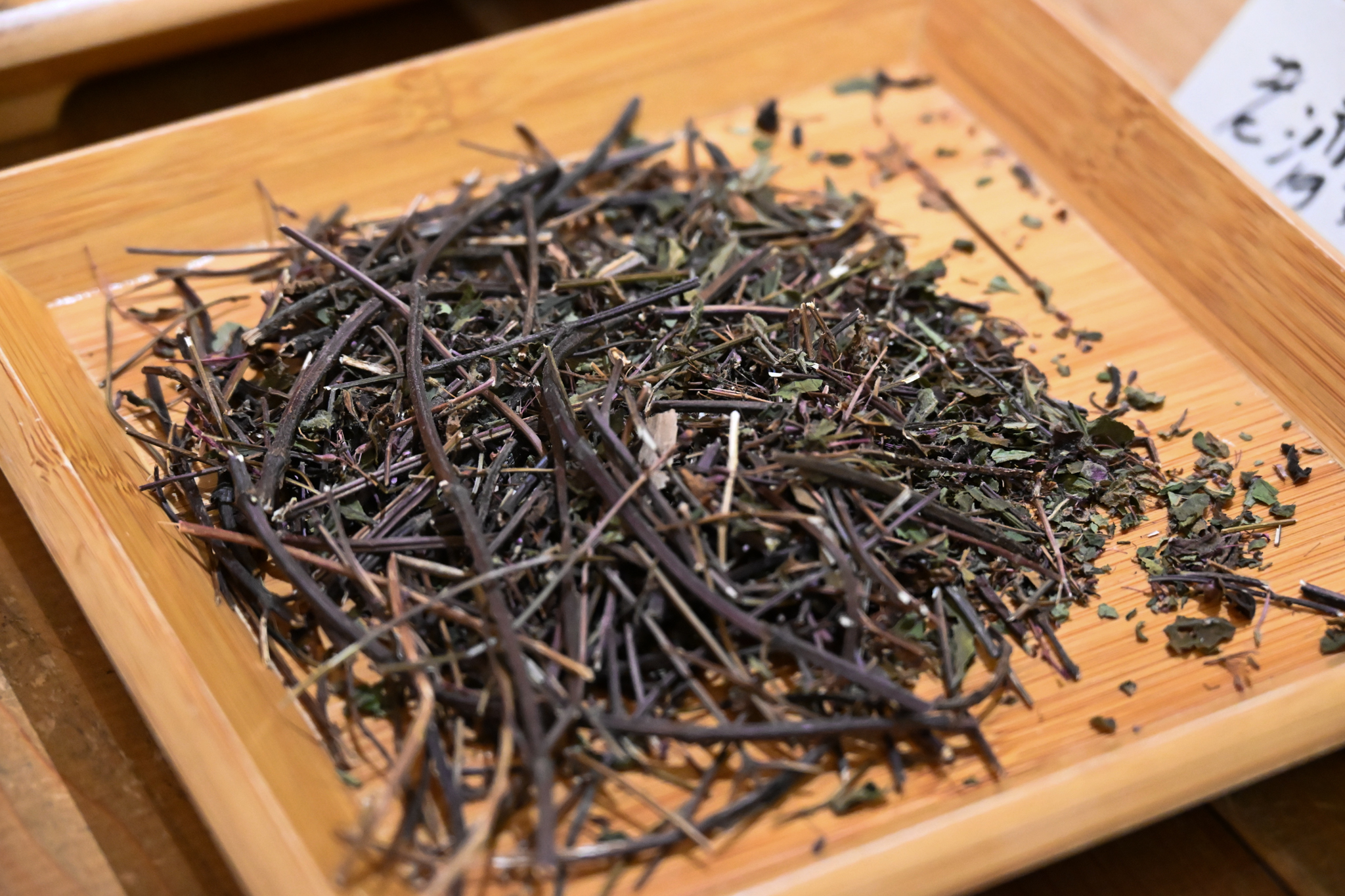
Take a sip of pure grass jelly tea without added alkaline, and many people's first reaction is, "This doesn't taste like the grass jelly I know!" It turns out that the thick, black texture we've known since childhood isn't inherent to the plant itself, but is a result of processing techniques. Only when you taste pure grass jelly do you realize that the plant's own flavor profile is actually far more complex and delicate.
As the bubble tea market grows, a formal tasting system has yet to emerge.
Grass jelly (Chinese Mesona), scientifically known as Platostoma palustre (Blume) A.J. Paton, produces pale purple labiate flowers in autumn and grows to a height of 30 to 100 centimeters. It is a plant native to Taiwan and one of the few herbaceous crops with the potential to form a complete culinary culture, with every step—from harvesting, drying, and storage to boiling and post-processing—carried out locally in Taiwan.
By the 1960s, there were records of grass jelly cultivation in Shuishang Township, Chiayi, and the herbal industry began to reach commercial scale during this period. At the time, businesses mostly sourced from wholesalers, using a mix of imported and domestic grass jelly. Later, as the bubble tea industry expanded, the demand for grass jelly jelly surged. To meet mass production needs, seaweed-based gelling agents became the mainstream for "tender grass jelly," shifting the texture control to the additives while reducing the grass jelly itself to a supporting role for color and aroma. Meanwhile, large quantities of grass jelly from Indonesia, China, and Vietnam flooded the market. Compared to the NT$70–90 per kilogram cost of domestic grass jelly, imported varieties cost only NT$21–32 per kilogram, creating a price gap that continues to put competitive pressure on local producers.
From varieties to origins: Discovering authentic Taiwanese grass jelly.
In recent years, agricultural research stations have released various grass jelly varieties, such as Taoyuan No. 1–3 and Hualien No. 1–4, providing an official naming and classification system. "Taoyuan No. 1," originally bred for winemaking, has a dense, gelatinous texture and a mild aroma, making it ideal for grass jelly jelly and hot grass jelly soup. "Taoyuan No. 2," also known as "Xianghua," has a rich aroma with floral undertones, perfect for grass jelly tea and tea bags. "Taoyuan No. 3," or "Xianfeng," offers both excellent texture and aroma, suitable for both drinks and jellies. Other varieties include "Hualien No. 1" (Xiantian), No. 2 (Xianliang), No. 3 (Xianzi), and No. 4 (Xianmei). Beyond these official varieties, farmers often cross-breed plants to create unique "local varieties."
After discussing varieties, let's look at the origins. Taiwan's grass jelly production is primarily concentrated in four major regions: Guanxi in Hsinchu, Tongluo in Miaoli, Shuishang in Chiayi, and Ruisui in Hualien. Guanxi, Hsinchu, accounts for about 80% of Taiwan's total production; its hilly terrain, the water source of the Fengshan River, and the natural slow-dehydration effect of the "September Winds" allow the plants to retain their gelatinous properties, resulting in superior texture and aroma. Tongluo, Miaoli, is home to many organic farms with distinct ecological agricultural characteristics. Shuishang, Chiayi, is a key production area in the south-central region; the traditional herbal shop Lao Ji An has long sourced its grass jelly from here, noting a quality profile distinct from northern regions. Ruisui, Hualien, is the site of the Hualien District Agricultural Research and Extension Station and serves as the core hub for breeding and research on new varieties.
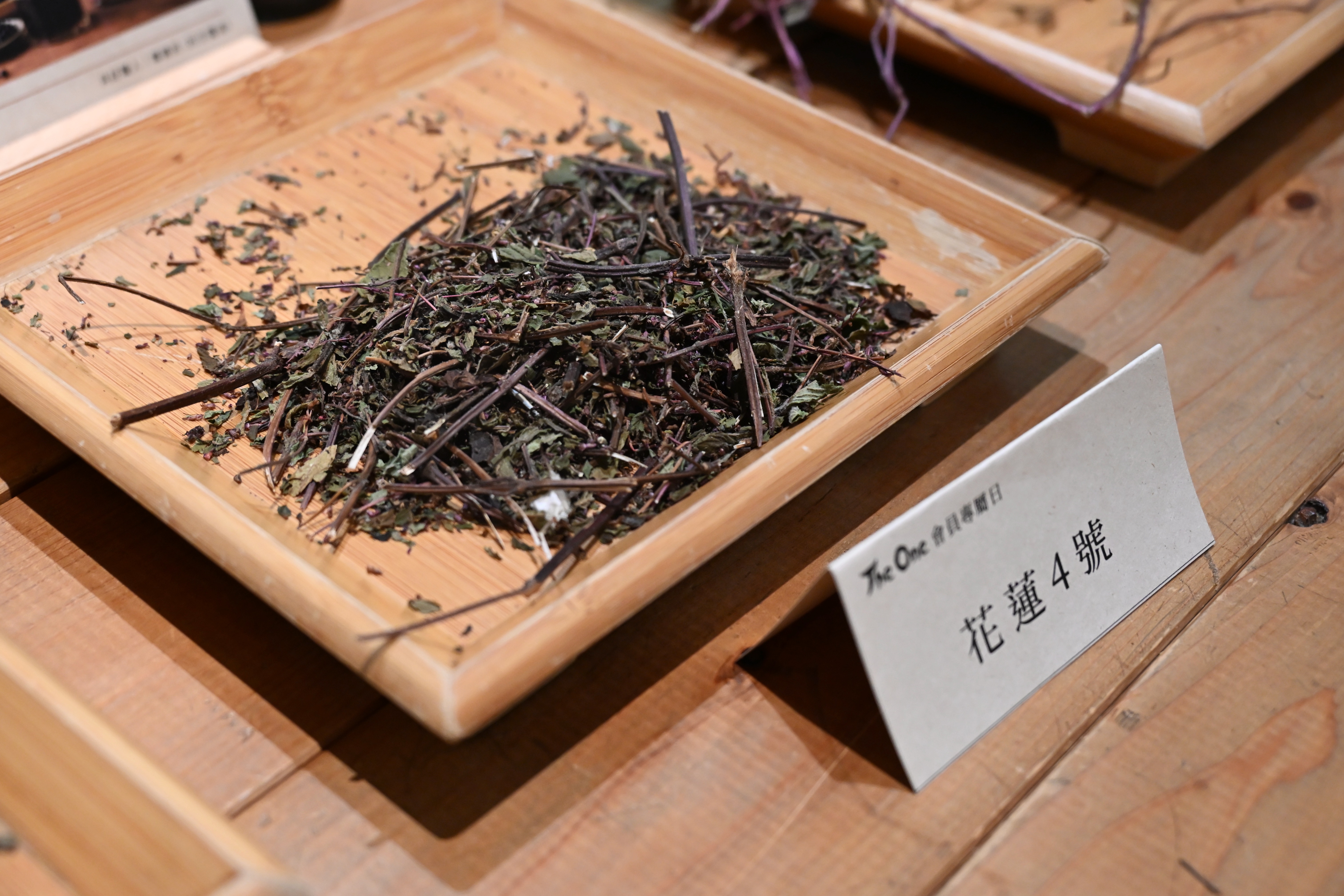
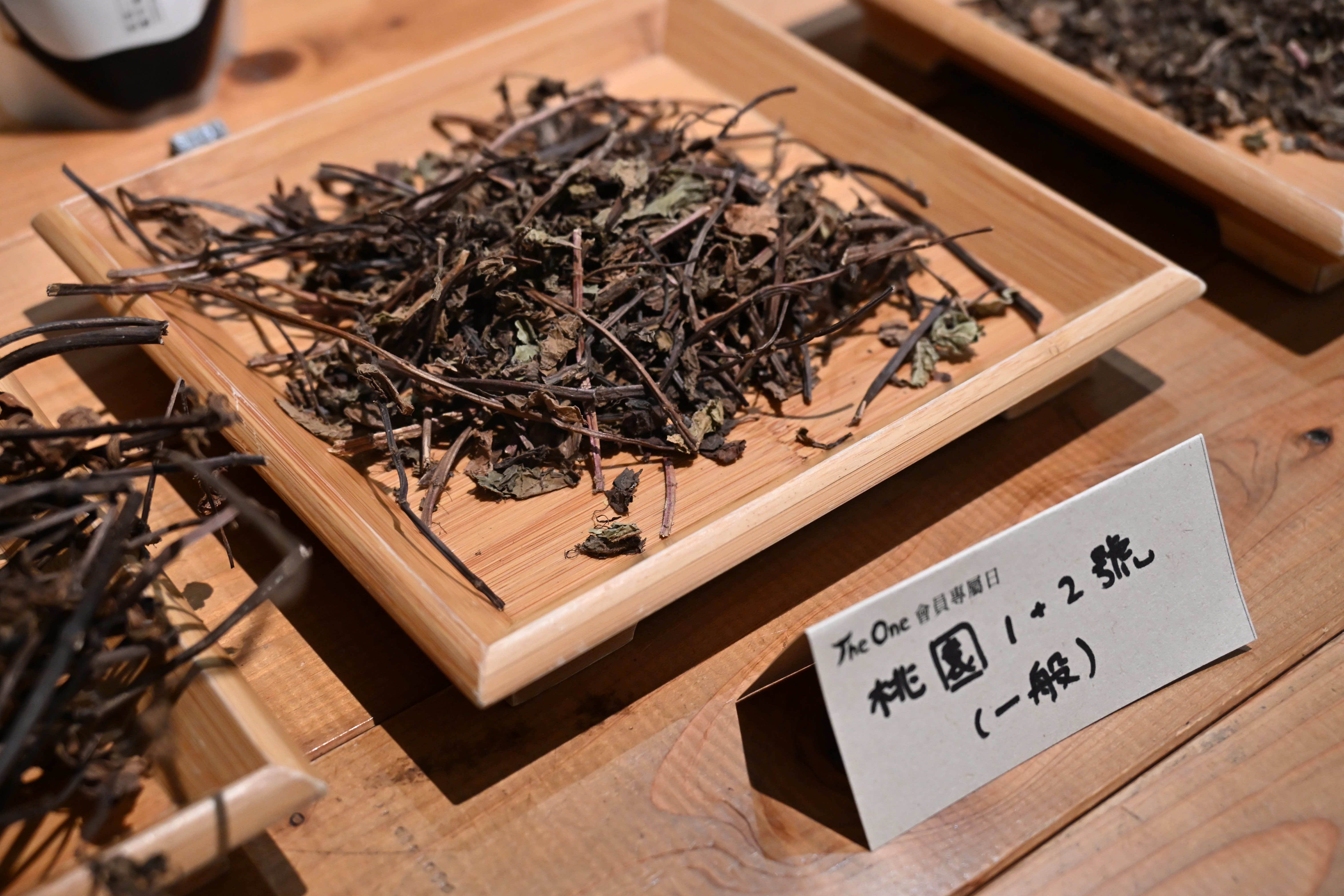
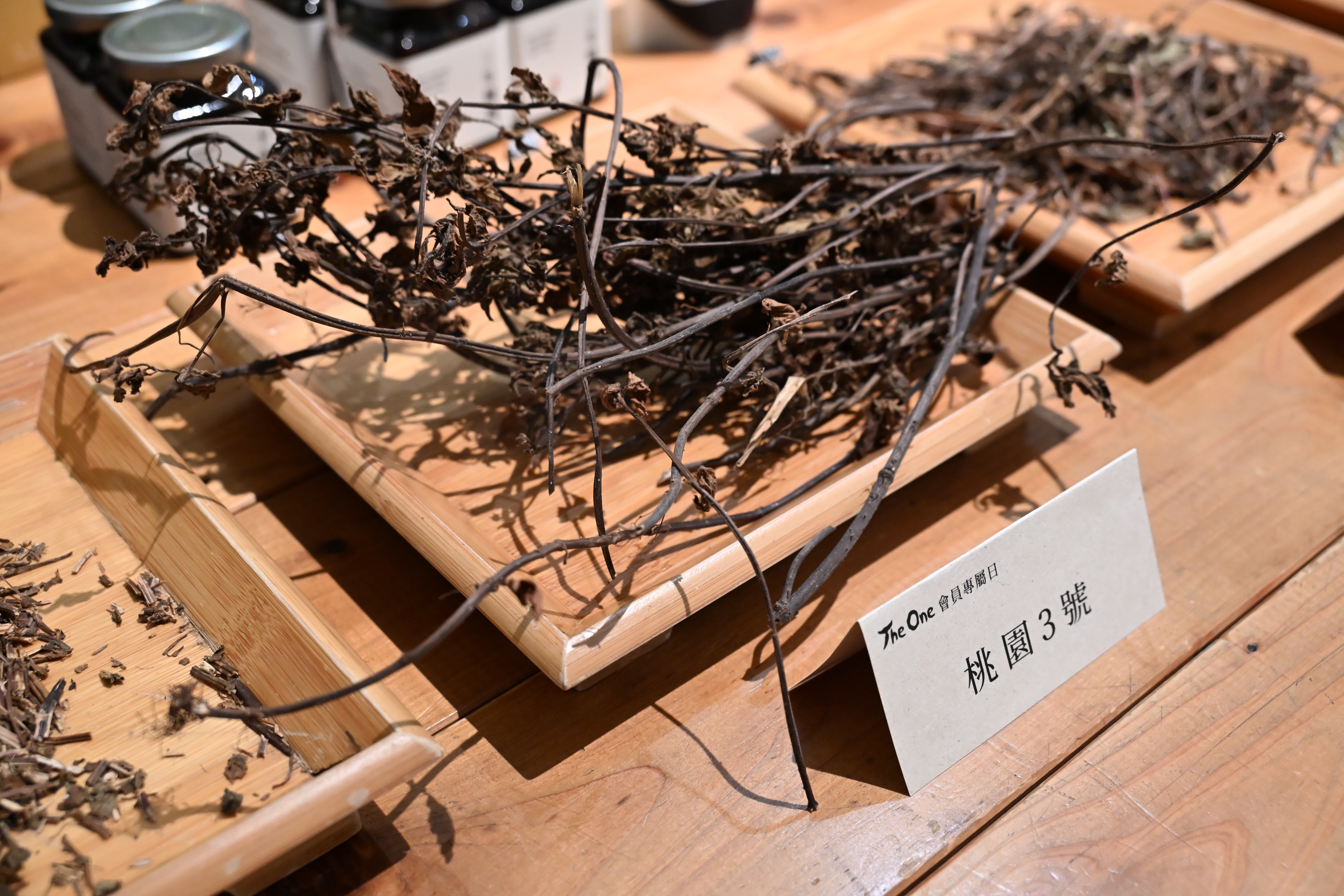
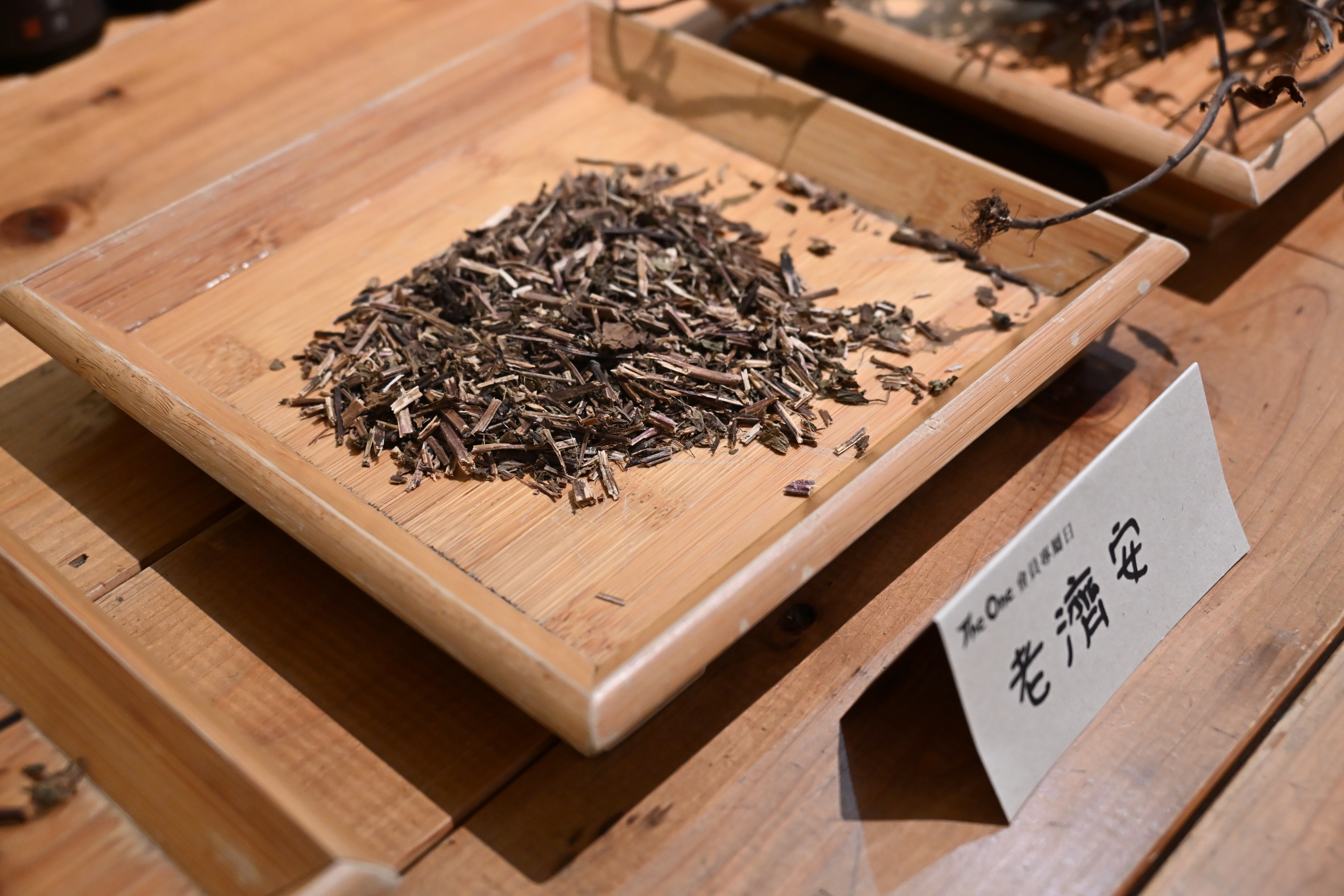
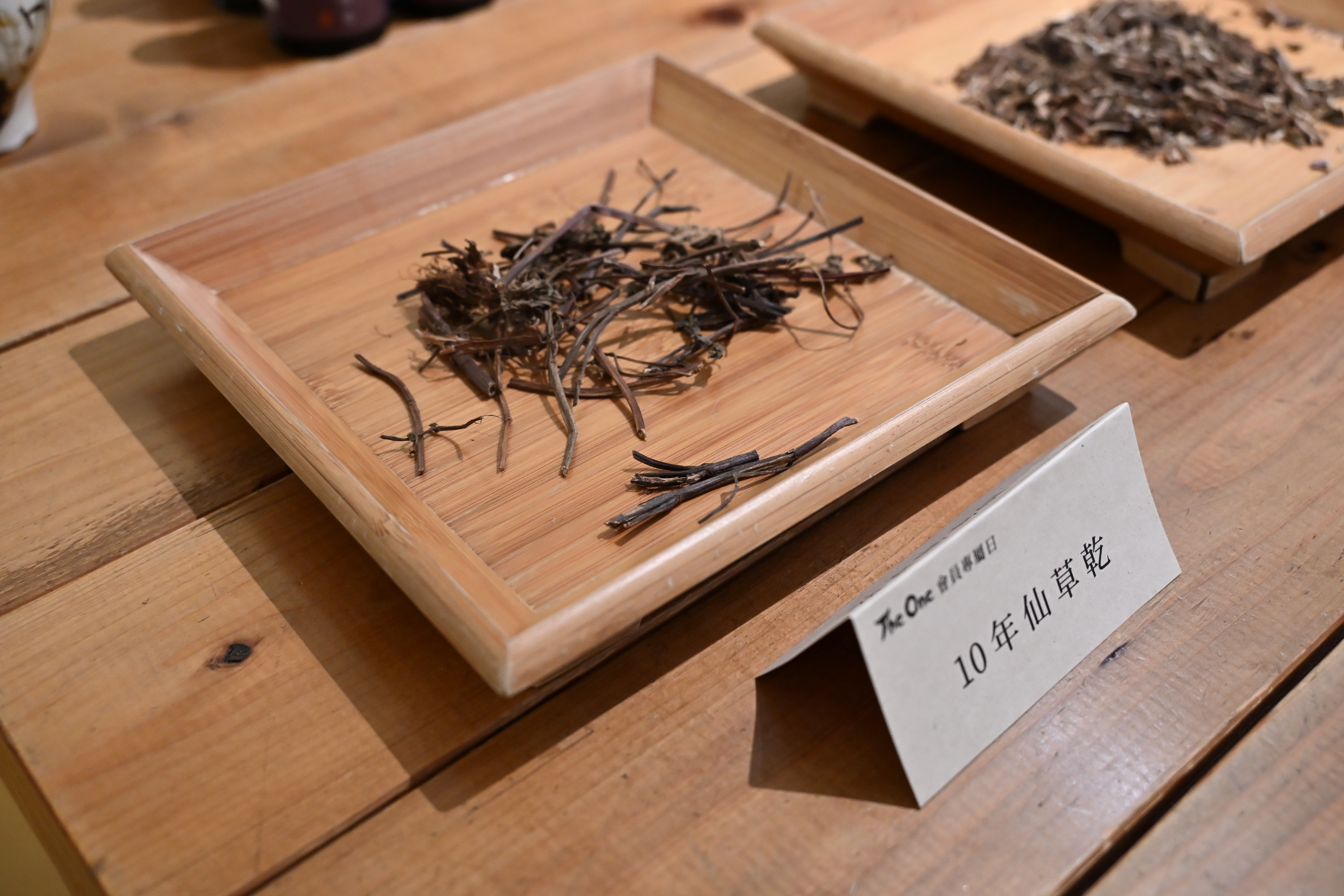
Analyzing the aroma and mouthfeel of grass jelly through chemical composition and processing logic.
Having understood the varieties and origins, another question arises: how should we actually interpret the flavor of grass jelly?
In fact, grass jelly contains over 1,700 volatile metabolites, resulting in an extremely complex aromatic profile that differs between fresh and aged plants. Fresh grass jelly has a crisp, herbal sweetness; after ten years of storage, this sweetness fades significantly, replaced by an aged, spicy aroma reminiscent of black vinegar or Worcestershire sauce. It is worth noting that because "alkaline" is often added during cooking to increase gel strength, many consumers mistakenly identify this "alkaline taste" as the natural flavor of grass jelly.
Beyond the inherent flavor of the plant, subsequent processing also influences its sensory expression. Generally, grass jelly products fall into three categories: "original juice" grass jelly tea, "solidified" grass jelly jelly, and "thickened" hot grass jelly soup. "Original juice" grass jelly tea is boiled from dried grass jelly without gelling agents; adding alkaline creates a thicker texture and darker color, while omitting it results in a natural tea color and a fresher flavor. "Solidified" grass jelly jelly involves adding gelling agents to the tea to set it into blocks, with the texture varying based on the agent used. "Thickened" hot grass jelly soup is made by heating grass jelly tea with ingredients like sweet potato starch or tapioca starch to create a complex, viscous gel.
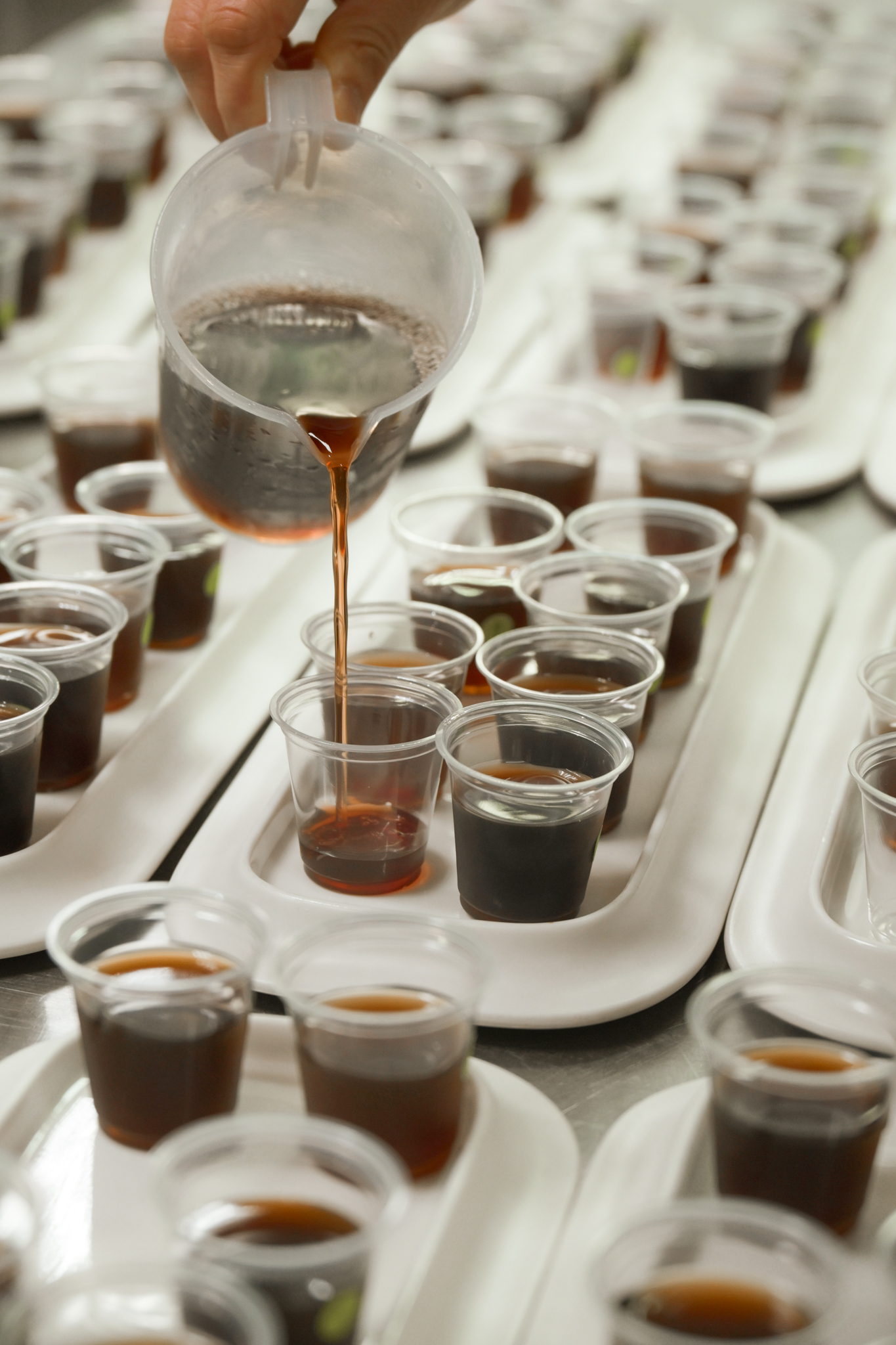
Learning to taste grass jelly through five dimensions: color, aroma, smoothness, bitterness/sweetness, and cooling sensation.
In June 2026, T/ABLE Taiwan Flavor Studies hosted a "Taiwan Grass Jelly Tasting and Forum," inviting third-generation Lao Ji An heir Wang Bo-yen, a Tongluo farmer (from Xuyuan Natural Farm), Hualien Agricultural Research Station breeder Yu Chih-ying, and ethnobotanist Tung Ching-sheng to attend and taste various grass jelly profiles based on these five dimensions.
- Lao Ji An: Long-time user of grass jelly from Shuishang, Chiayi, with their signature house-blend grass jelly tea. The owner has experimented with various extraction methods, including siphon, espresso machines, pour-over, and pressure cookers, making them one of the few practitioners in the industry to systematically explore grass jelly extraction techniques.
- Xuyuan Natural Farm: An organic farm in Tongluo, Miaoli, primarily cultivating Taoyuan No. 1, 2, 3, and Agricultural Research No. 1. The farm works with villagers to promote grass jelly cultivation, forming a village-based industrial cluster.
- Yuanlin Grass Jelly: A century-old shop in Yuanlin, Changhua, that has long sourced its grass jelly from Tongluo, Miaoli.
- Shanhao Grass Jelly: In the Shanlin District of Kaohsiung, the traditional method of wood-fired grass jelly tea is preserved, resulting in a distinct smoky aroma paired with a refreshing herbal scent.
Overall, grass jelly is incredibly versatile in Taiwan. You can find it everywhere—from hot grass jelly stalls at night markets in the winter and chilled grass jelly cups in convenience stores during the summer, to silky grass jelly in bubble tea shops and home-cooked grass jelly chicken soup. Different varieties also have their own specific culinary uses. However, a heavy reliance on imports and a lack of systematic knowledge regarding its flavor profiles remain concerns for the future of the industry. Perhaps the next step for Taiwanese grass jelly isn't about finding older plants, but rather enabling everyone to clearly articulate exactly what it tastes like.
This article was compiled and edited based on transcripts and summaries from the T/ABLE food culture lecture series, as well as the researcher's field notes. All brand information is accurate as of the original source material.
Content Editor: Michelle Guo
Reviewer: Andy Hsu
Photo: The One
