
Traditional Indigenous Grain Wines: It’s Not About Getting Drunk. This Tipsy Experience is a Medium for Communicating with Spirits and a Testament to the Mountain Wisdom of the Taiwanese People
Taiwan’s Indigenous peoples traditionally use grains such as millet as the primary ingredient, which is saccharified by fermentation starters and fermented by yeast to produce traditional grain wines, typically with an alcohol content of 10% to 15%. However, this category, often broadly labeled as "millet wine," does not follow a fixed recipe. It encompasses various forms, including glutinous rice wine and dry-land rice wine. Because millet is difficult to cultivate and source, traditional grain wines made from pure millet are becoming increasingly rare.
In the past, traditional Indigenous grain wine was an indispensable beverage for festivals, weddings, and other important occasions, serving as a vital medium for connecting with spirits and strengthening interpersonal relationships. Today, "millet wine" has become a generalized name and a cultural symbol. Its history, however, can be traced back to the 17th century. The 1603 text "Dongfan Ji" (Record of the Eastern Barbarians) notes that Indigenous people on the southwestern plains "gathered bitter herbs to mix with rice for brewing; some of it was excellent... during feasts, they would place a large jar in the center and sit around it, each drinking from a bamboo tube, with no side dishes served." This shows that Indigenous people already knew how to gather plants to make fermentation starters and that drinking was a sacred social activity, not accompanied by casual snacking. By 1697, "Beihai Jiyou" (Travels in Northern Taiwan) recorded the prevalence of "chewed rice wine" (gudai wine), where "men and women, young and old, would chew rice together and spit it into a tube, where it would turn into wine after a few days." The 1722 "Fansu Liukao" (Six Examinations of Barbarian Customs) further documented "gudai wine" and "glutinous rice straw-starter wine," made by mixing cooked glutinous rice with rice straw stalks for fermentation.
During the Japanese colonial period, the Taiwan Governor-General's Office gradually established a state monopoly on alcohol, strictly regulating private brewing. This impacted the traditional brewing cultures of Indigenous tribes, leading to the loss of many related techniques. In 2002, following Taiwan's accession to the WTO, the "Tobacco and Alcohol Administration Act" was officially implemented, and the production and sale of alcohol were gradually liberalized. Some began to document the brewing knowledge of various ethnic groups, and brewers began obtaining legal licenses, allowing traditional Indigenous wines to enter the commercial market for the first time.
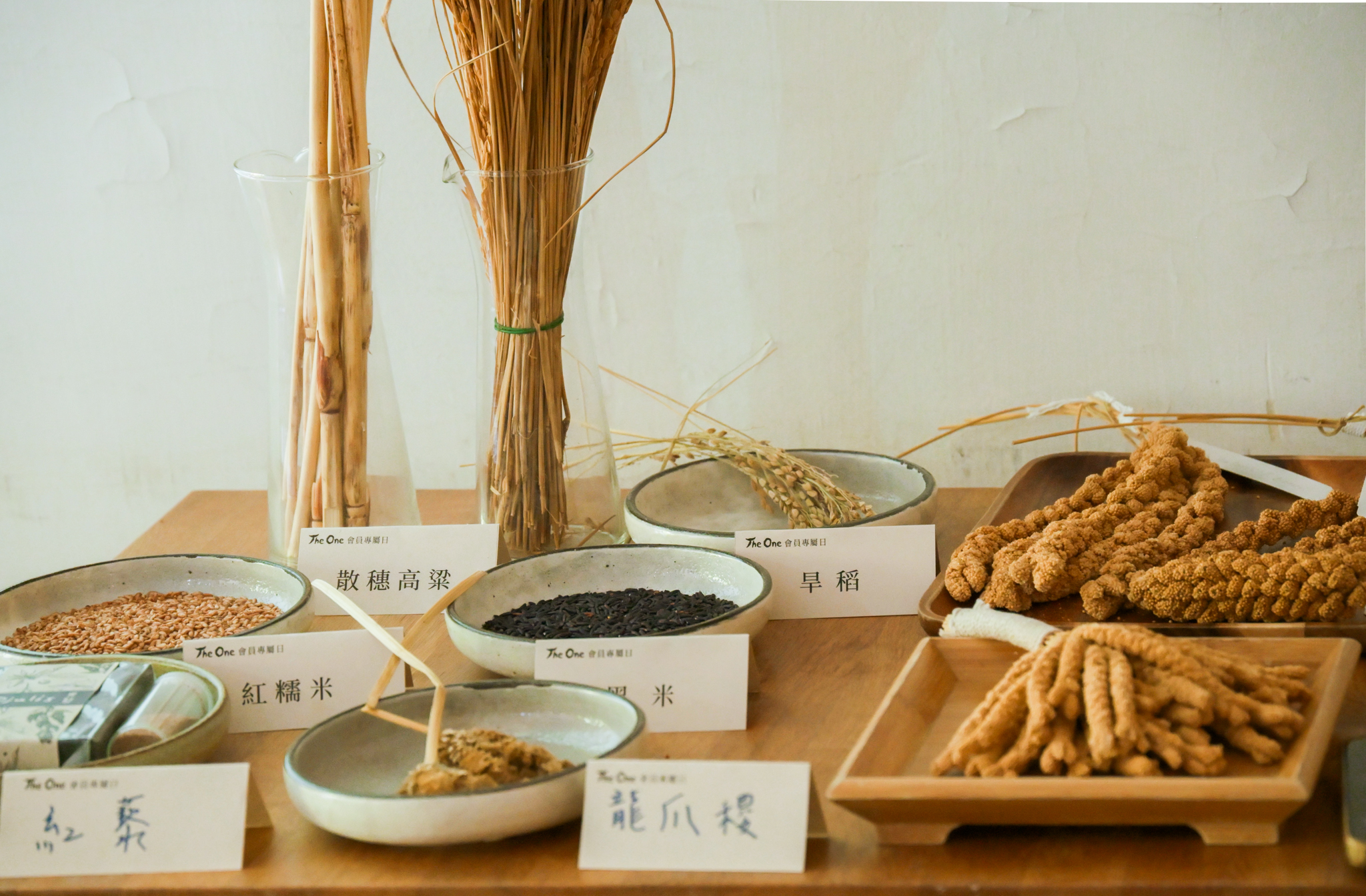
Tasting the wisdom of the mountains and forests in a glass of traditional Indigenous grain wine
To understand the logic behind Indigenous brewing, one must look at two key elements: the "basic grain crops" and the "foraged plants." First, "basic grain crops" include millet, glutinous rice, sorghum, sweet potato, and finger millet, mostly sourced from tribal cultivation, forming the foundation of the wine. For example, "pure millet wine" is primarily made from glutinous millet; it is cloudy in appearance and carries a distinct grain base with the characteristic acidity of millet. "Blended types," which mix millet with glutinous rice, are the most common contemporary form, as they are easier to process into a stable product than pure millet wine. "Alternative grain wines" use glutinous rice, dry-land rice, red glutinous rice, or black glutinous rice as the base, essentially functioning as glutinous or dry-land rice wines. "Red quinoa blends" were historically seen among the Paiwan, Rukai, Bunun, and Tsou peoples; this method has largely been lost and is currently the most urgent to document.
As for "foraged plants," these are mostly wild species. Indigenous people use their leaves, fruits, roots, and stems to create fermentation starters, leading to differences in brewing perspectives between tribes. Ethnobotanist Dong Ching-sheng categorizes the plants used by the Amis people for fermentation starters into three types: "sweet," "fragrant," and "spicy." The "sweet" quality comes from the interaction between plant compounds and taste receptors; even if a sugar meter detects no sugar, one can still perceive a herbal sweetness upon tasting. "Fragrant" notes originate from Rutaceae plants like pomelo leaves, orange peels, and pineapple peels, which provide citrus undertones. "Spicy" notes come from plants like Murraya paniculata, old leaves, persimmons, Clausena excavata, and Zanthoxylum ailanthoides, which provide a subtle, spicy finish that emerges slowly.
These plants either carry or attract specific microorganisms, and their chemical composition shapes an environment conducive to the growth of certain strains, indirectly influencing the final microbial composition. Compared to commercial yeast-based wines, which are stable, clean, and carry aromas of white toast and flowers, homemade herbal starters—due to varying tribal recipes—can produce more complex profiles, including metallic, spicy, and grassy undertones..
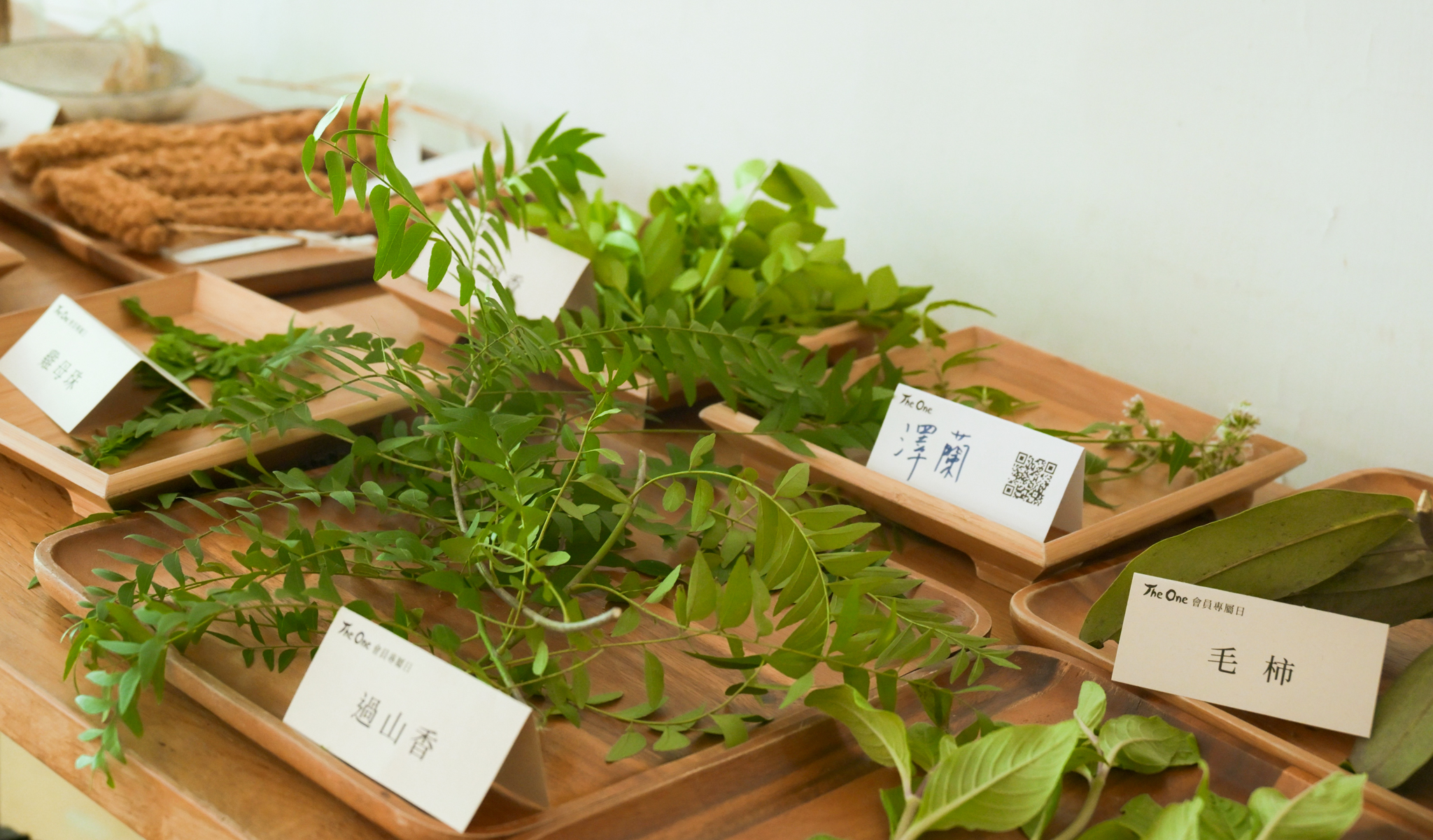
The triangular symbiosis of "people, land, and objects" is the essence of traditional Indigenous grain wine
Regarding the process of making the fermentation starter, the Amis people of the Makota'ay tribe in Fengbin, Hualien, usually begin by informing the ancestral spirits of their intention to brew. They then gather plants, wash them, and let them air-dry for about two hours before crushing them in a wooden mortar to extract the juice. This is mixed with Ponlai rice flour into balls, dusted with "old" starter, and air-dried (a method known as the "juice-pressing method"). The balls are then placed in a dark area to incubate; after two to three days, when white mold appears, they are stored in the refrigerator. For brewing, steamed glutinous rice serves as the base. The rice must be cooled to near body temperature, as excessive heat would kill the microorganisms. The entire brewing process takes about five to seven days. In addition to the "juice-pressing method," there is the "herbal tea method," where plants are boiled into a liquid before being mixed with rice flour, and the "sun-drying method," where plants are dried, ground into powder, and mixed with glutinous rice dough.
Because the wine is not fully sterilized, microorganisms may continue to act after bottling, meaning the wine can present entirely different profiles depending on when it is consumed. The Hengchun Amis and Puyuma people of the Dian-guang tribe in Taitung describe the wine's evolution: when freshly brewed, its sweet and gentle state is called "A Maiden's Prayer"; as the sugar is consumed over time and the body becomes crisp and sharp, it is called "Grandpa Goes Crazy"; and when left even longer, resulting in a sharp, intense acidity, it is called "Grandma's Scream."
From cultivation and foraging to brewing, it is clear that the birth of a glass of traditional Indigenous grain wine stems precisely from the triangular symbiosis of "people, land, and objects" mentioned by Dong Ching-sheng. The "land" determines the plants available around the tribe; the "people," through cultural inheritance, select the strains and inoculate them to cultivate a microbial profile unique to the family and tribe; and the "objects" are the specific plants. Together, these three elements form a local terroir unique to that tribe, mountain, or family. This highly localized technical approach stands in fundamental contrast to the industrialized route of Japanese sake, which uses highly purified koji, and is a rich expression of Taiwan's unique character.
Starting with five steps: practicing the art of tasting traditional Indigenous grain wine
On July 8, 2026, T/ABLE Taiwan Flavor Studies invited ethnobotanist Dong Ching-sheng to host a"Taiwan Indigenous Brewing Culture—Millet, Fermentation Starters, Ethnic Comparisons, and Commercial Inheritance"lecture, where various fermentation starter plants were displayed, touched, and tasted, alongside a tasting of several traditional Indigenous grain wines, including millet wine, red glutinous rice wine, and loose-panicle sorghum wine.
Tasting Dimensions
- Visual Appearance /Is the cloudiness uniform? Are there any abnormal microbial films or signs of spoilage sediment? Cloudiness itself is not a flaw; what you need to distinguish is whether there are signs of spoilage.
- Look for grain notes /Take a sniff—do you detect the aroma of steamed rice, millet porridge, or grains? Take a sip and hold it in your mouth to see if you can feel the warm, substantial base of the grains.
- Identify the shape of the acidity /Does the acidity appear immediately upon entry, or does it emerge in the mid-palate? Is it sharp and cutting, or does it softly coat the tongue? The acidity of millet is typically sharp and cutting, while the acidity of glutinous rice is more gentle and coating.
- Distinguish between sweetness and sweet sensations /Is it the direct sweetness of residual sugar, or the herbal sweetness derived from medicinal plants? Is there a lingering sweetness after swallowing?
- Wait for the botanical notes in the finish /After swallowing, wait a moment—do you notice any spicy aromas like orange peel, pepper, green plants, or dried leaves? Those are the traces of the medicinal herbs in the fermentation starter.
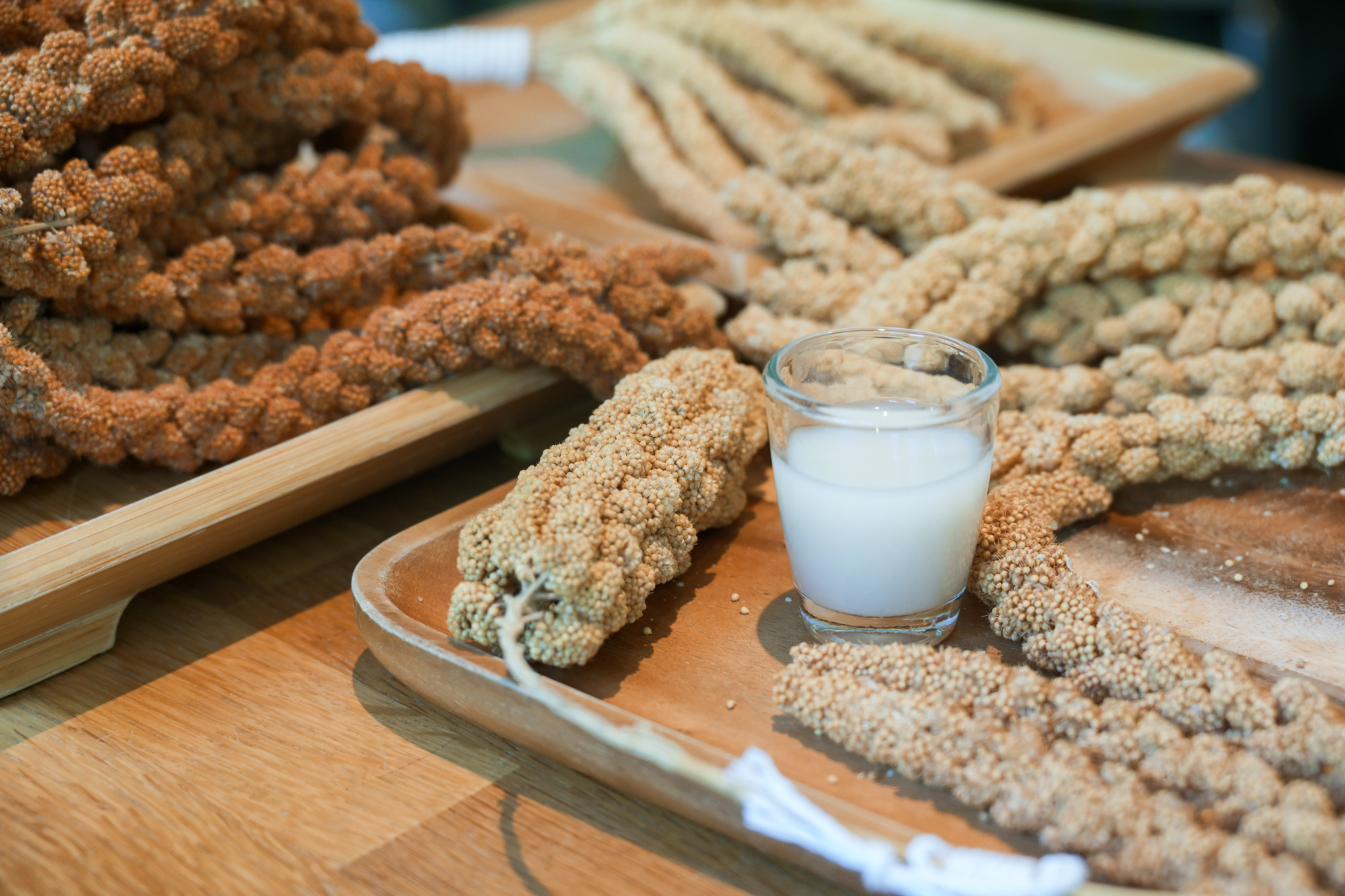
Following this, T/ABLE also invited alcohol researcher Wang Peng to"Terroir, Brewing, and Cultural Revitalization of Traditional Indigenous Alcohol in Taiwan"lecture, where he used a five-step framework to guide the tasting; on the same day, the"Taiwanese Local Brewing Culture and Kaoliang Spirit Tasting"lecture used Yongqing Kaoliang spirit as a case study to further discuss the impact of red and white sorghum varieties on flavor.
- Tropical Low-Pressure Restaurant "Grandma's Millet Wine": From Dulan, Taitung, this is a blend of millet and glutinous rice, with an alcohol content of 14%. It has a cloudy appearance, a full-bodied mouthfeel, and a sweet, smooth finish with a light, pleasant warmth.
- TRULYWINE: Brewer Hsu Chen-chuan learned his craft from Chief Chang Wan-sheng of the Diangong tribe and established a legal distillery within the Dulan Sugar Factory using a "factory-within-a-factory" model. Made primarily from glutinous rice using herbal fermentation starters, it features a balanced sweet-and-sour profile with a finish of botanical spices like orange peel, pepper, and bay leaf, offering a well-structured, intense, and long-lasting experience.
- Fumei Huiniang: Kelly Yen, founder of "Kao Cha Di" in Changbin, Taitung, works with tribal brewers to craft wine from upland rice, reviving the self-sufficient agricultural spirit of the Amis people. It uses four types of herbal fermentation starters and features a spicy, peppery finish.
- Makuta'ay Tribal Wine Festival・Makuta'ay Series: The wine starter is primarily made from the native Taiwanese plant "large-leaf sweet herb," combined with Thai basil, persimmon leaves, and pomelo leaves.
- Muzha Tribe Sorghum Wine: Tribal woman Musniang has revived the brewing of sorghum wine in her backyard. Using a traditional herbal wine starter method, the flavor profile offers a dry, white wine-like quality with subtle floral notes.
- Changbin Tribe Glutinous Rice Wine: In the Amis tribe of Changbin, Taitung, they brew wine using their own cultivated varieties of glutinous rice. They commission commercial distilleries for production, resulting in a noticeable difference in flavor between the commercially produced versions and those brewed by the winemakers themselves.
- Yongxuan Winery: Located in Chunri Township, Pingtung, they produce both millet wine and sorghum wine.
Using traditional Indigenous grain wines to pass on the relationship between the Taiwanese people, plants, mountains, forests, and spirits.
From the operational paths of these brands, we can see the evolution of contemporary Taiwanese Indigenous traditional wine, which is progressing along two distinct axes: "cultural revitalization" and "commercial refinement." The former is exemplified by Chief Zhang Wan-sheng of the Dian-guang tribe, who grows various traditional wine-starter herbs in front of his home and shares his recipes selflessly; meanwhile, Professor Kuo Hua-jen of the Department of Agronomy at National Taiwan University has reclaimed Taiwanese millet varieties that were once taken to seed banks in the United States, facilitating their cultivation and restoration. As for the "commercial refinement" route, Xu Zhen-quan’s "TRULYWINE" has evolved over years of adjustments from a sweeter market version toward a balanced sweet-and-sour profile, while also drawing on Japanese sake knowledge to establish a flavor discourse for traditional Amis grain wines.
However, as traditional wine culture develops, many face several persistent challenges. First, home-brewed alcohol cannot be sold legally, necessitating the use of commercial distilleries; yet, the intervention of these factories often alters the flavor, leading to the reality that "the best-tasting glass is often the one you cannot buy." Second, due to land development, climate change, and a shrinking population of foragers, the plants used for wine starters are gradually disappearing, and the diversity of millet varieties is declining, creating concerns regarding raw materials. Furthermore, the long-standing lack of systematic integration of knowledge systems remains a significant hurdle.
When a glass of traditional Indigenous grain wine disappears, it often means that the associated plants, brewing techniques, and cultural knowledge may also lose the conditions necessary for their continuation. This makes the act of tasting and studying millet wine all the more precious. After all, when we re-examine the process of a wine from grain and starter to the finished brew, we are also rediscovering the wisdom of Taiwan’s mountains and its people.
This article was compiled and edited based on transcripts and summaries from the T/ABLE food culture lecture series, as well as the researcher's field notes. All brand information is accurate as of the original source material.
Content Editor: Michelle Guo
Reviewer: Andy Hsu
Photo: The One